Using the 5 Whys Technique in Government Technology: A Path to Root-Cause Problem Solving

In the fast-evolving world of government technology, challenges often arise that impact efficiency, service delivery, and public trust. From system outages to data integration issues, identifying the real cause of a problem, not just the symptoms; is essential. One of the most effective and simple methods for this is the 5 Whys technique. Originally developed by Toyota for process improvement, the 5 Whys method involves asking “Why?” repeatedly (typically five times and when needed 7 times) to trace a problem back to its root cause.
How It Works
The 5 Whys technique starts with a problem statement and then systematically digs deeper:
- Identify the problem: e.g., “The citizen portal is frequently crashing.”
- Ask why it happened: “Because the system overloads when multiple users log in.”
- Ask why again: “Because the server capacity is limited.”
- Ask why again: “Because the infrastructure hasn’t been upgraded in five years.”
- Ask why again: “Because there’s no regular technology assessment or maintenance plan.”
At the fifth “why,” the organization discovers that the true issue isn’t the crash itself. it’s the lack of proactive IT management.
Why It’s Effective in Government Technology
Government systems are often complex, layered, and subject to multiple compliance and budgetary constraints. The 5 Whys technique helps cut through bureaucracy by providing a structured yet simple approach to problem-solving that doesn’t require expensive tools or deep technical expertise. It encourages critical thinking, collaboration, and accountability, allowing project teams, IT managers, and policy leaders to align on the real issue instead of focusing on quick fixes.
Moreover, applying the 5 Whys method promotes continuous improvement in digital transformation initiatives. It ensures that technology investments are data-driven and sustainable, reducing rework, cost overruns, and citizen frustration.
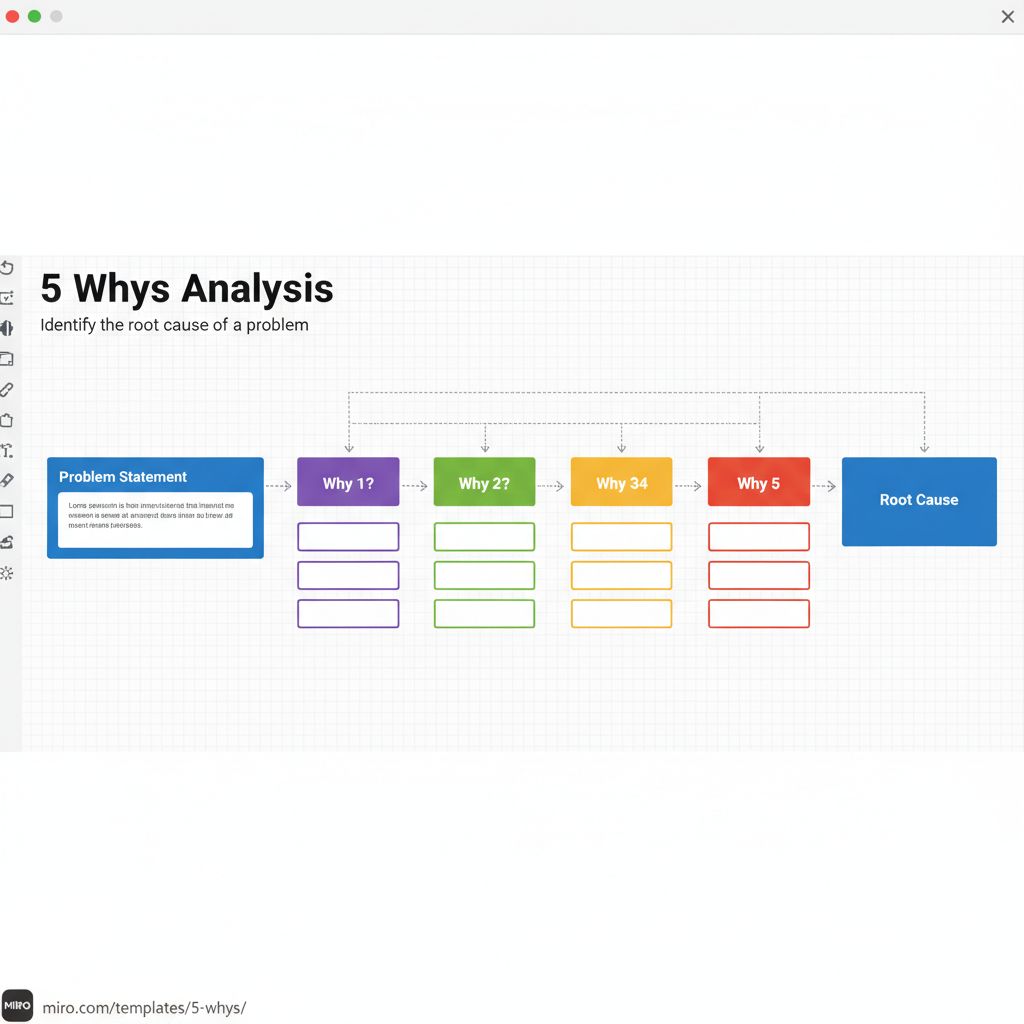
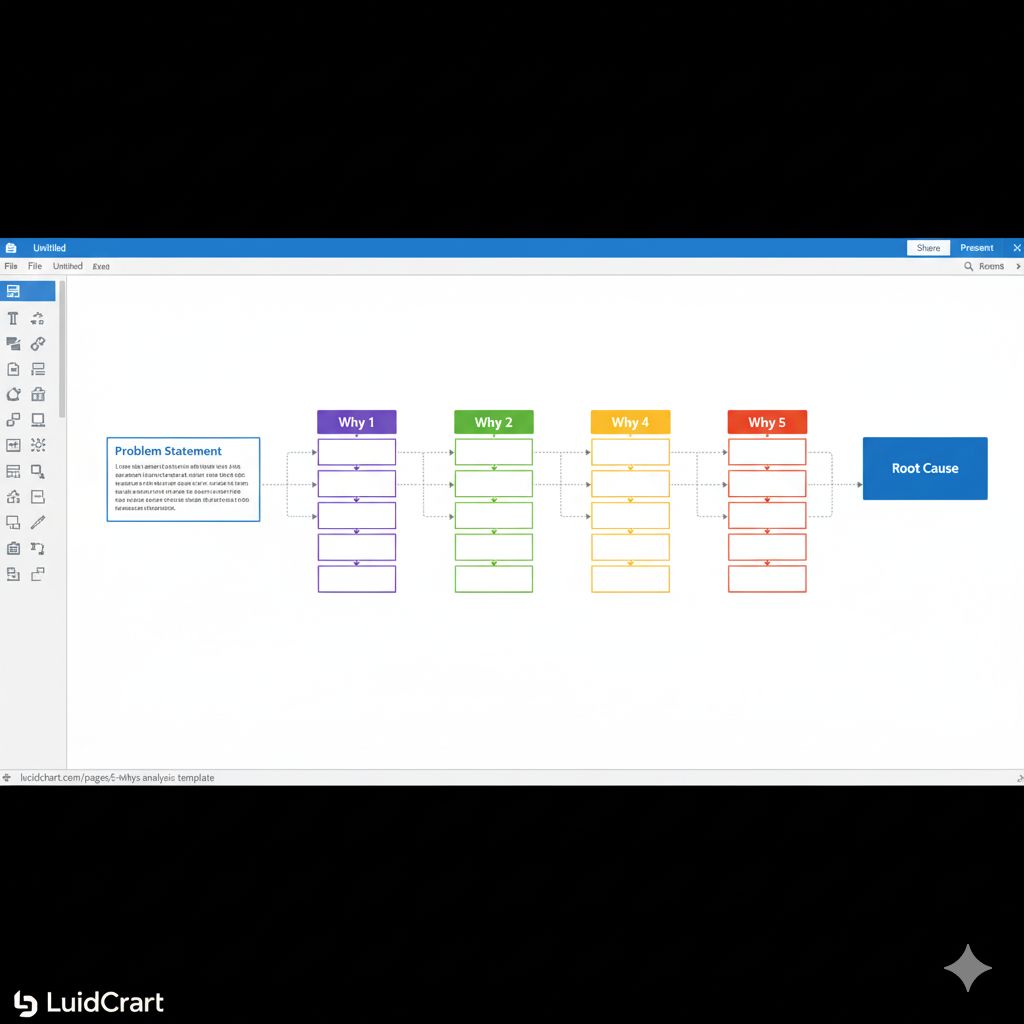
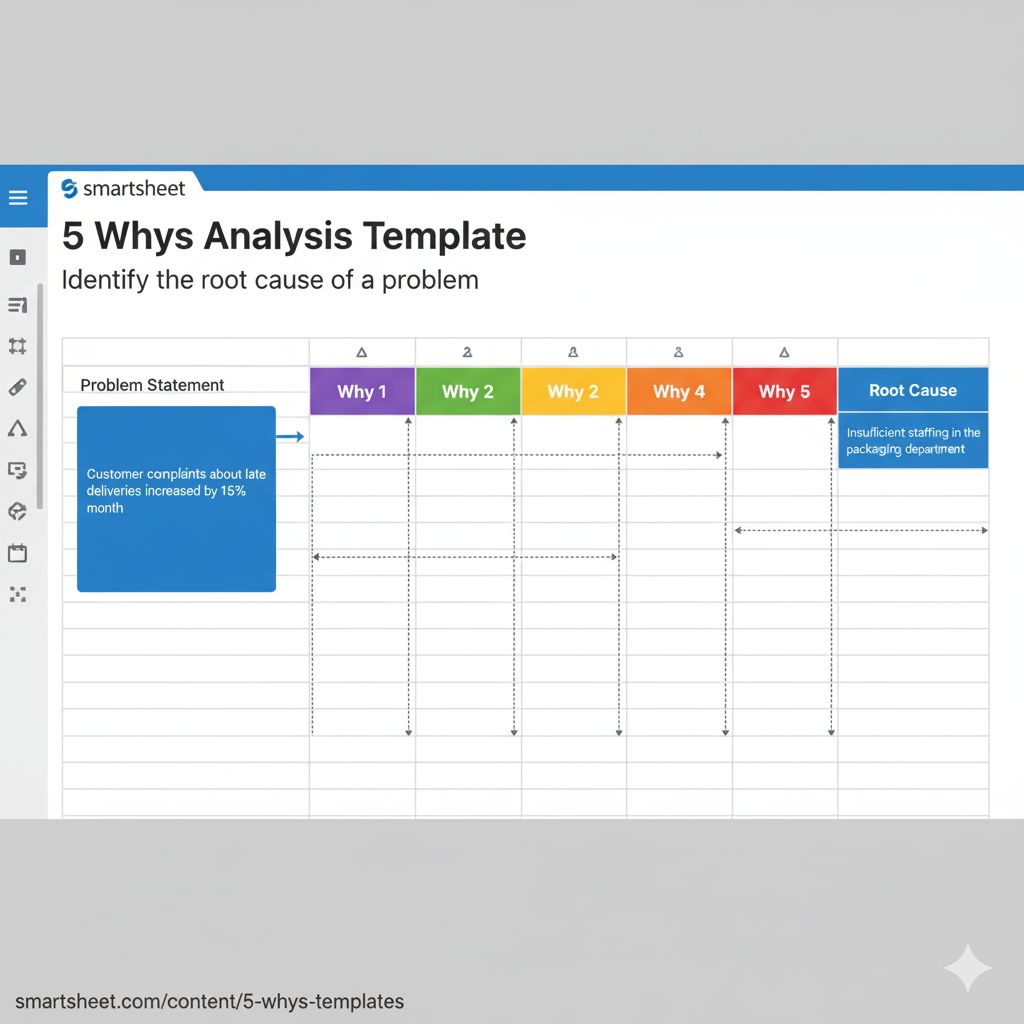
Example in Action
When a government’s online permit application system slows down, instead of immediately upgrading the software, teams can use the 5 Whys to discover that the true problem lies in outdated workflows or missing API integrations. Fixing the root cause not only resolves the issue but also enhances overall service delivery efficiency.
Conclusion
The 5 Whys is more than a diagnostic tool. it’s a mindset of curiosity and accountability. In government technology, where systems must serve citizens reliably and transparently, this method can transform how teams approach challenges. By asking “why” just five times, agencies can uncover root causes, implement lasting solutions, and build a stronger foundation for innovation and trust.
 Solution Minded GovTech Project Manager
Leave a comment